
Winners
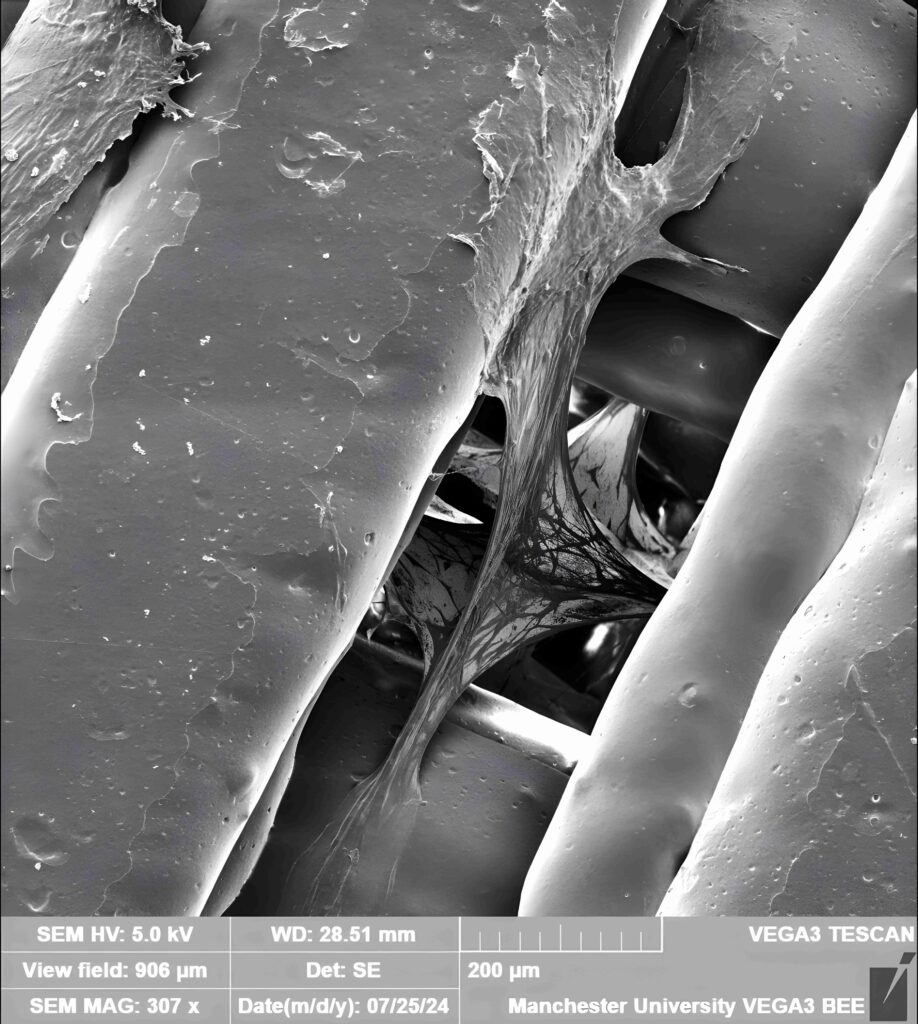
A microscopic view of bone marrow stem cells attaching to a porous scaffold, forming networks across its surface. The image highlights how cells grow, connect and respond within engineered structures used in biomedical research.
The research supports the development of advanced biomaterials for regenerative medicine and improved patient outcomes.
Photo by: Fatih Eroglu, Department of Materials
Photo by: Fatih Eroglu, Department of Materials
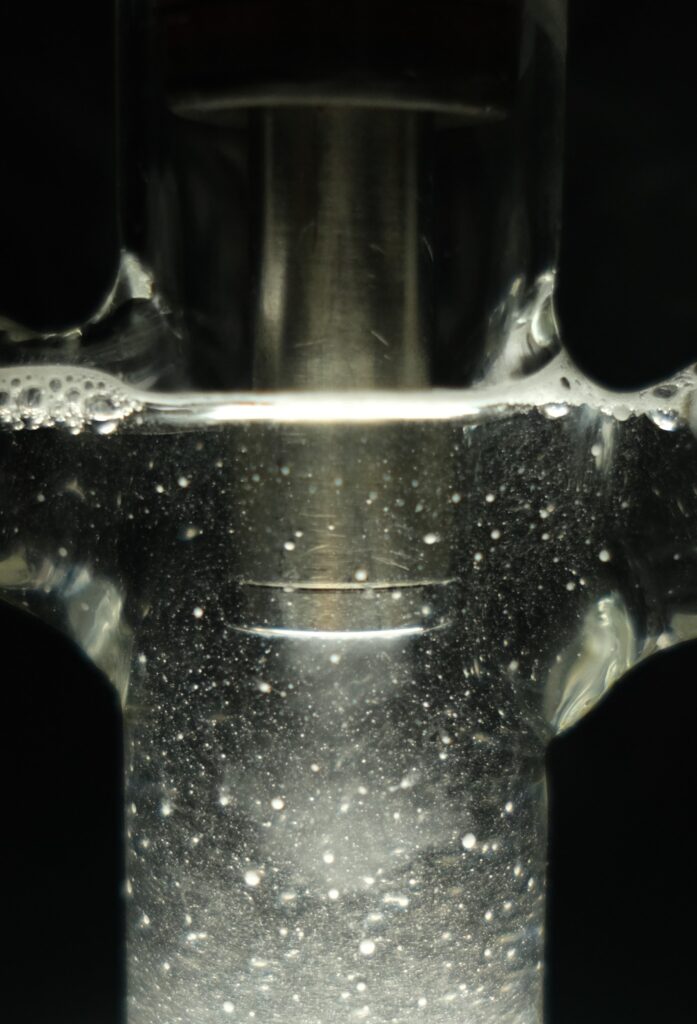
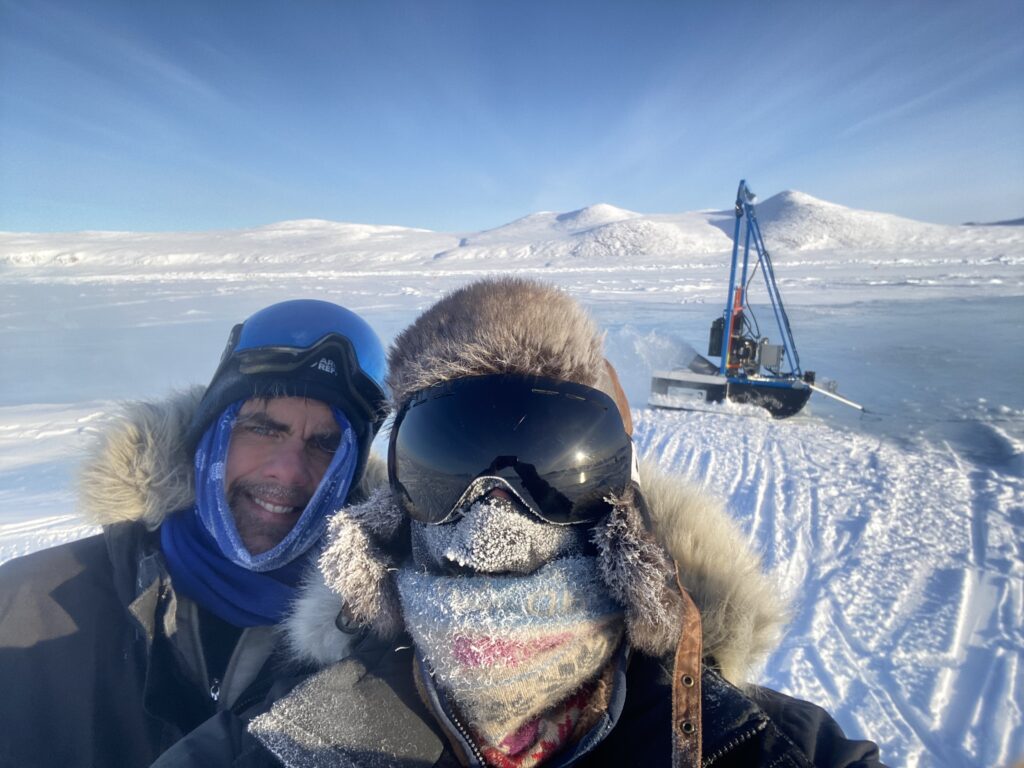
In the Arctic, seawater is pumped onto existing sea ice where it refreezes and builds thickness. Working in extreme conditions, scientists track how well the process performs and whether it could help slow ongoing ice loss.
The study forms part of wider climate intervention research that aims to reduce polar ice loss and, in turn, future sea-level rise.
Photo by: Geoffrey Evatt, Department of Mathematics
Photo by: Geoffrey Evatt, Department of Mathematics
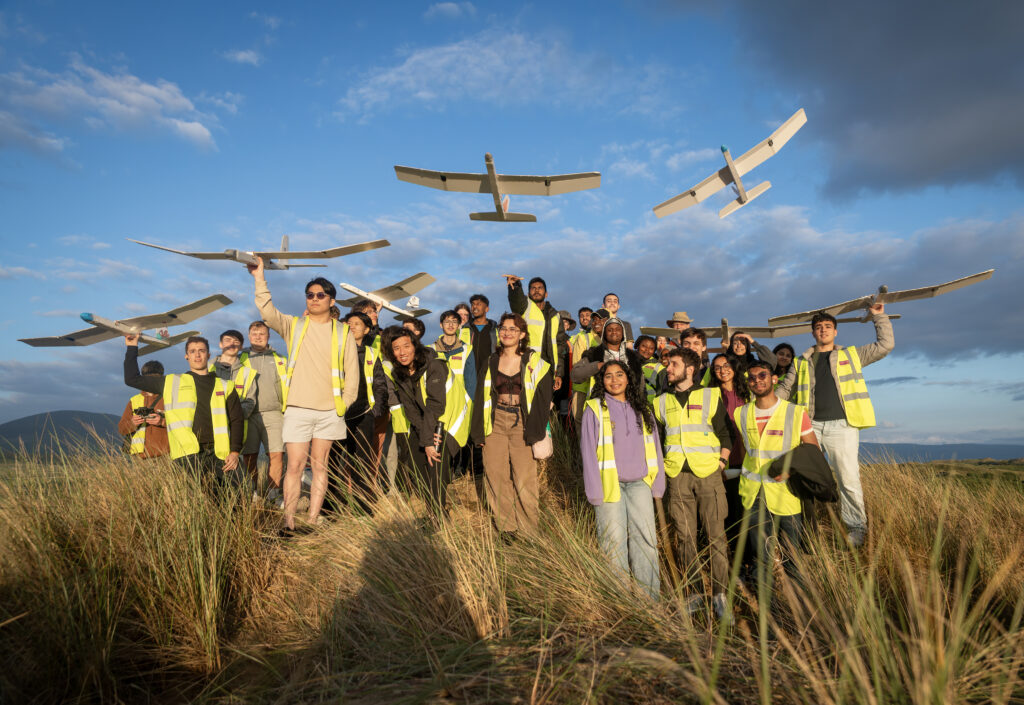
Highly commended
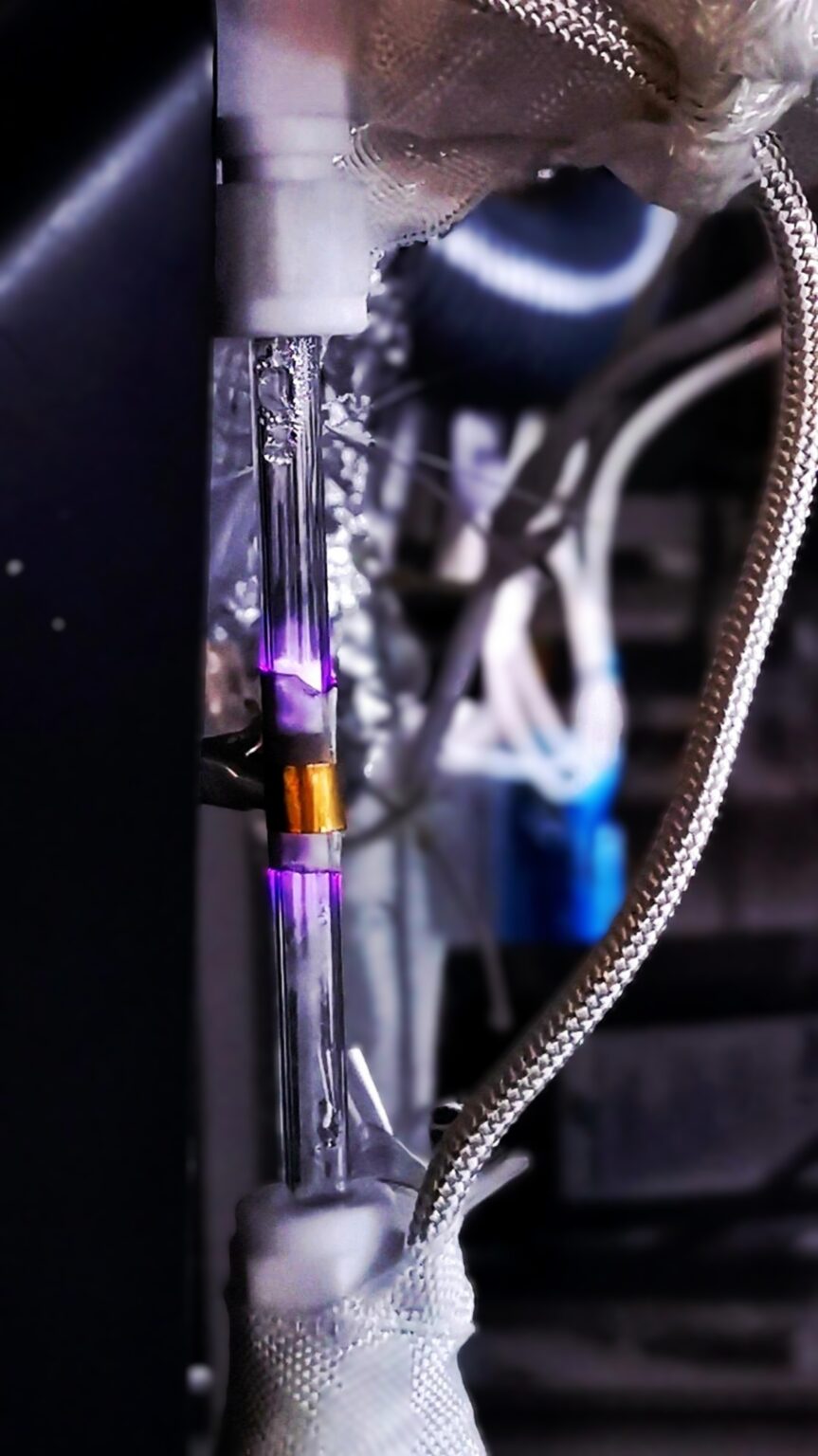
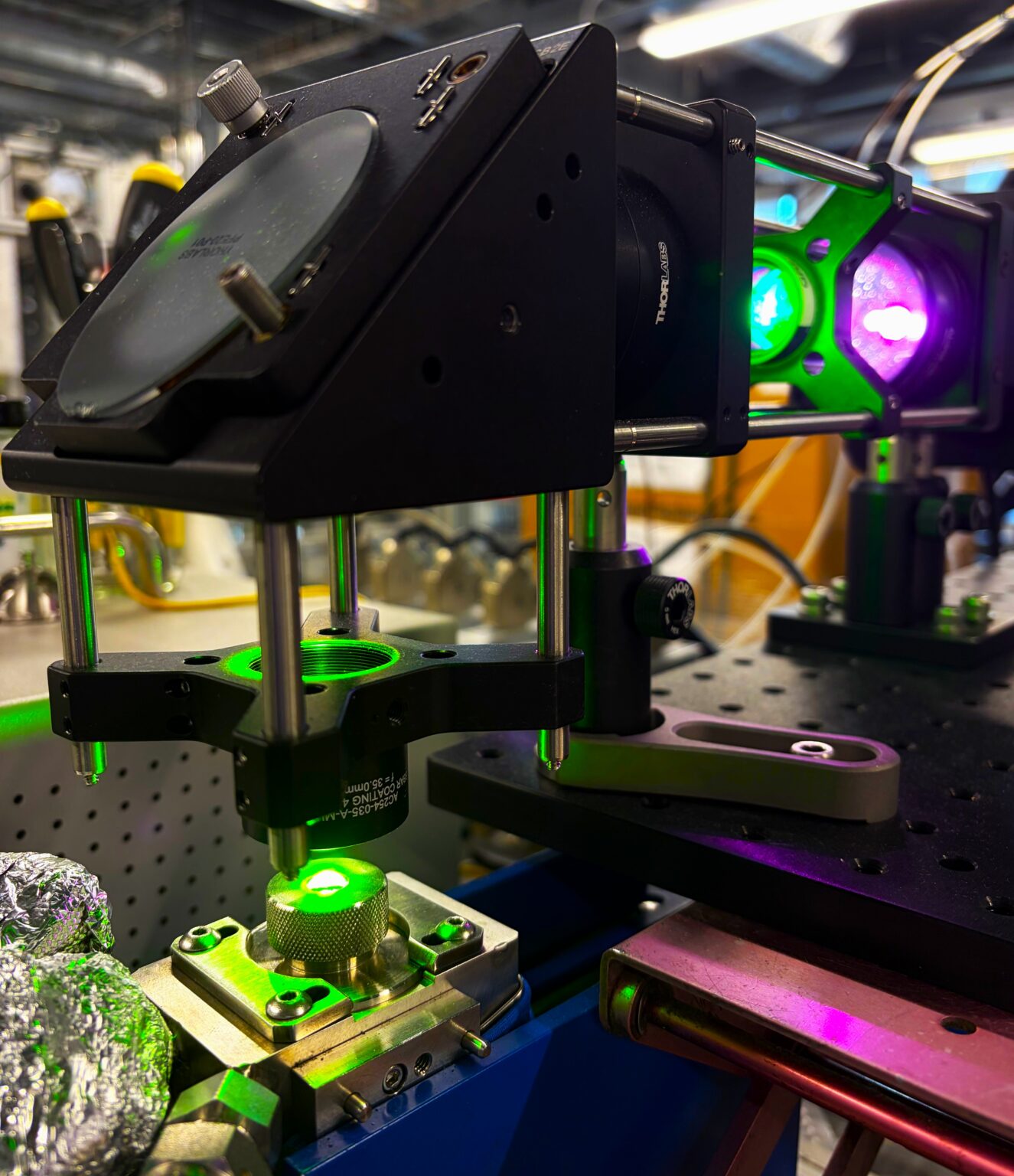
A plasma reactor produces a visible purple glow as energy drives chemical reactions. The image captures this highly active environment where plasma interacts with a catalyst. The research supports cleaner chemical processes through plasma technology with potential industrial and environmental benefits.
Photo by: Mariyam Bi, Department of Chemical Engineering
Photo by: Mariyam Bi, Department of Chemical Engineering
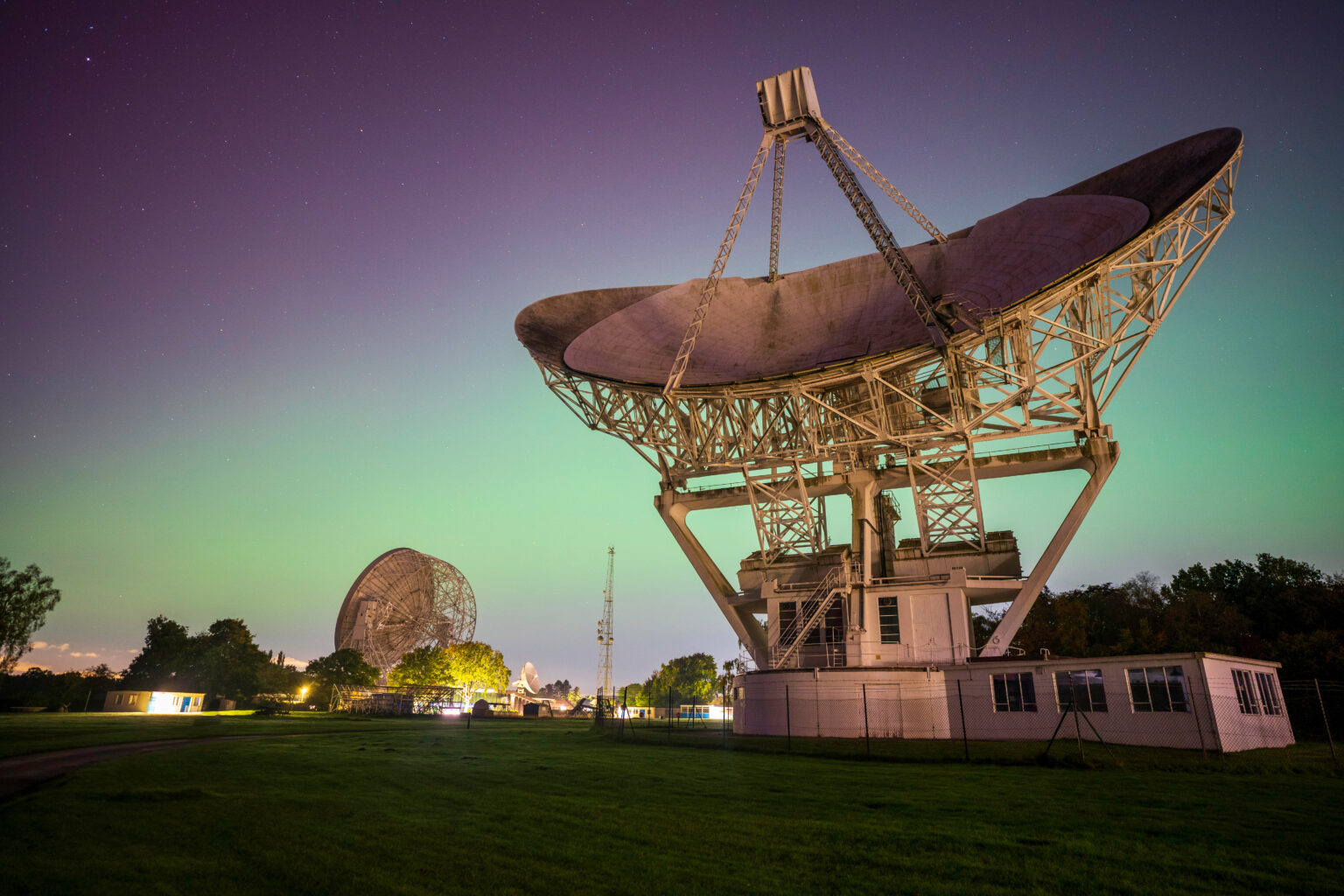
The MkII and Lovell telescopes at Jodrell Bank operate under an auroral sky, observing distant sources while natural light phenomena unfold overhead. Our work at Jodrell Bank Observatory aids astronomical observation that deepens understanding of the universe and related technologies.
Photo by: Anthony Holloway, Jodrell Bank Observatory
Photo by: Anthony Holloway, Jodrell Bank Observatory
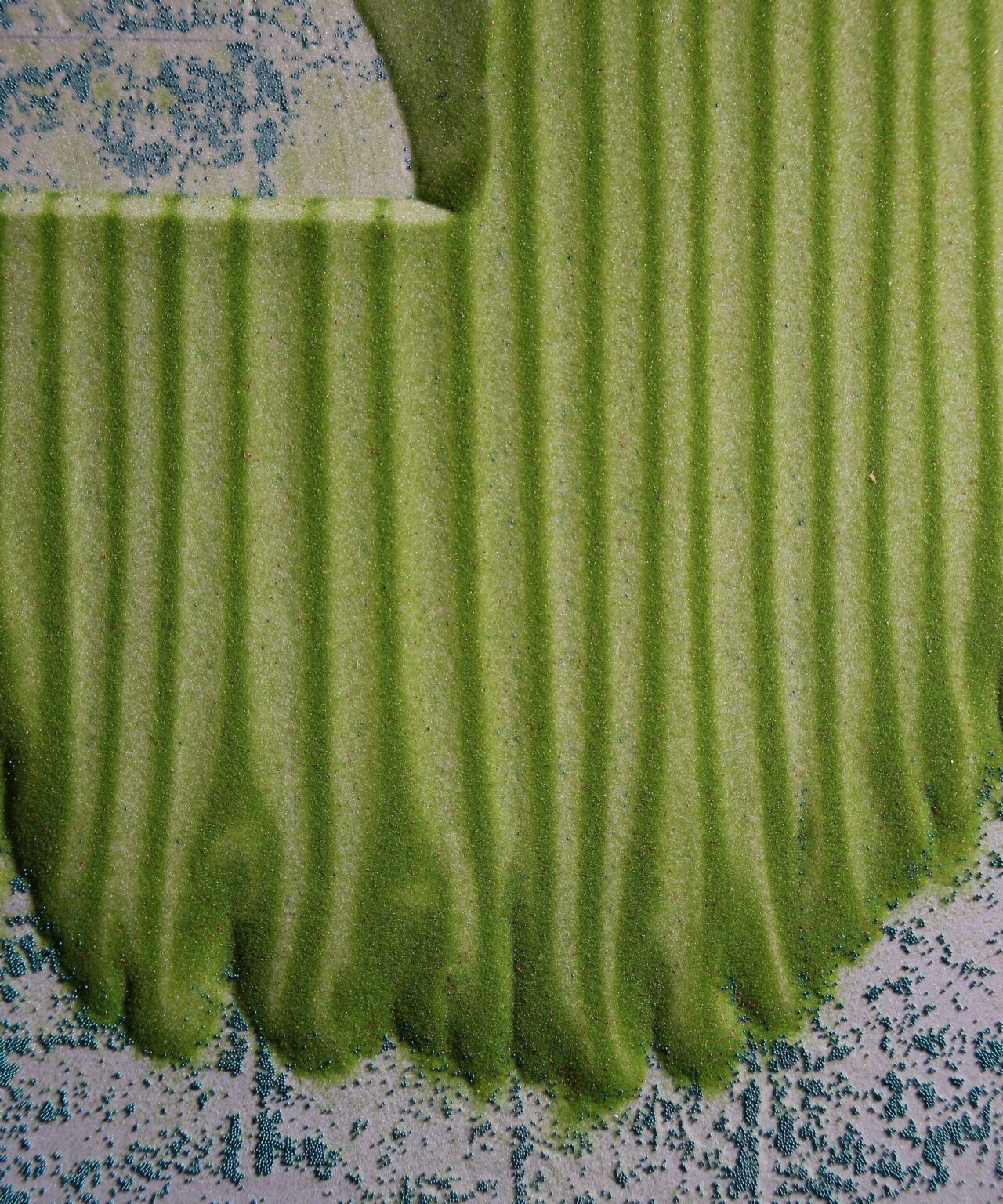
An overhead view of a granular flow experiment shows striped patterns formed by particles moving and settling, revealing unexpected behaviour in flowing materials. The research, which is improving the understanding of granular materials relevant to industry, from pharmaceuticals to construction.
Photo by: Amber Pearse, Department of Mathematics
Photo by: Amber Pearse, Department of Mathematics
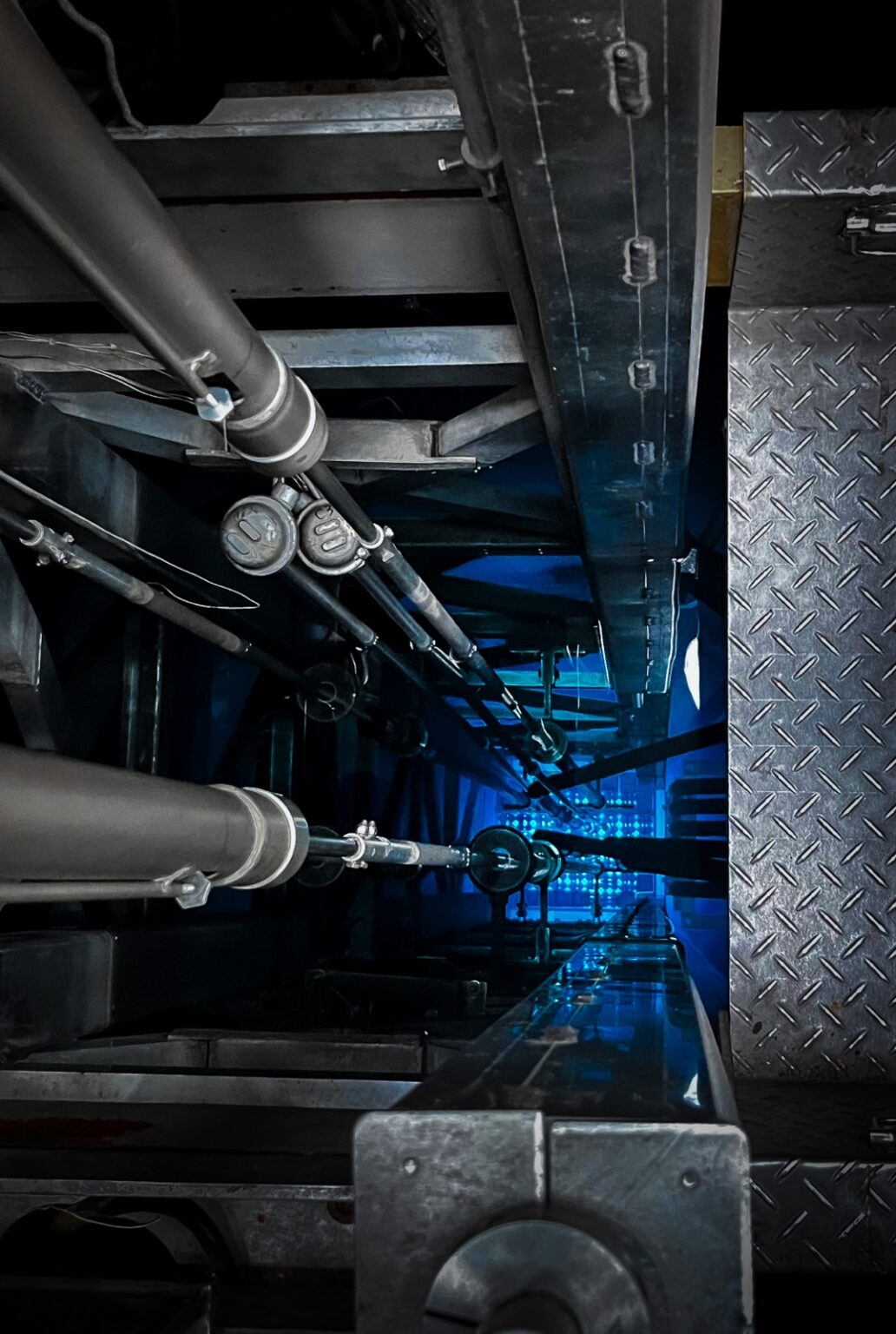
Viewed from above, the interior of a research reactor reveals submerged structures bathed in water and a distinctive blue glow produced by high-energy radiation. The image supports nuclear research and safety understanding, with relevance for energy production.
Photo by: Harriet Thompson, Department of Earth and Environmental Sciences
Photo by: Harriet Thompson, Department of Earth and Environmental Sciences
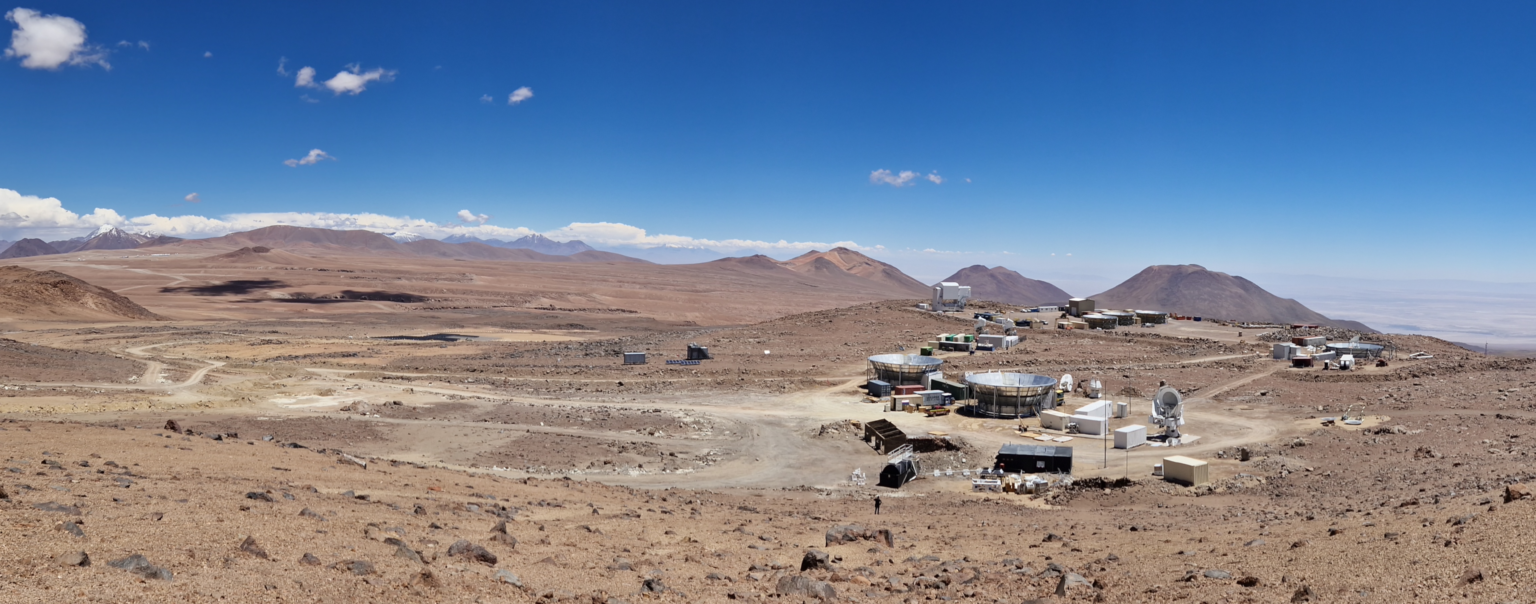
High-altitude telescopes in the Atacama Desert stand against a dramatic landscape, forming part of an international observatory studying the early universe. This is enabling global research into the origins of the universe and development of advanced observation systems.
Photo by: Joseph Holder, Department of Physics and Astronomy
Photo by: Joseph Holder, Department of Physics and Astronomy