


A day in the life of a nuclear PhD student: Abbie
Uncategorised 30 September 2026
Abbie, a SATURN CDT student based at the University of Manchester, shares what a regular day looks like in the second year of her PhD. Learn how Abbie structures her experimental work, handles “switching off”, and pushes back against the idea of a one-size-fits all PhD routine.
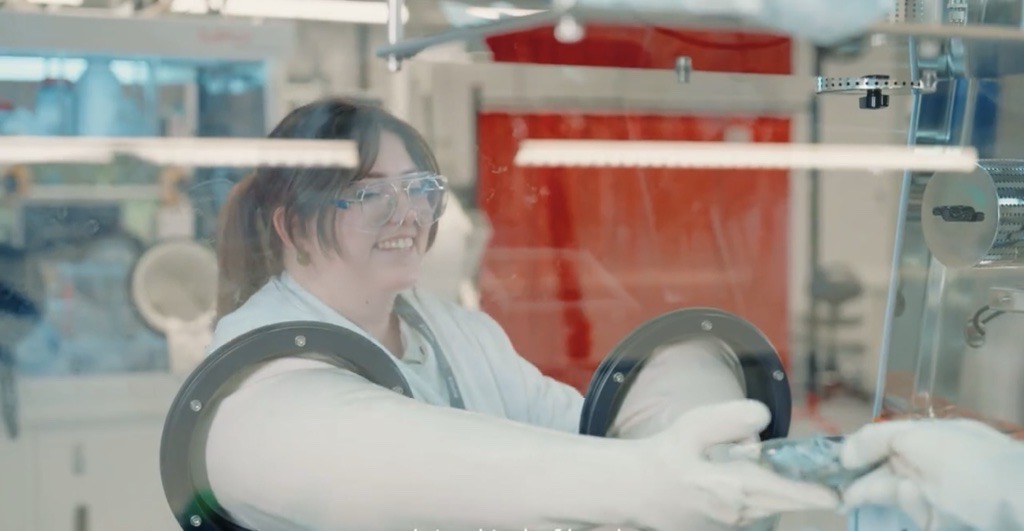
I’m Abbie, a 2nd year PhD student in the nuclear fuels group (NFCE) at University of Manchester. I am also part of the SATURN CDT, as well as a graduate teaching assistant in the physics department.
My PhD project is the manufacture of robust nuclear fuels, with the main goal to fabricate a novel fuel type with enhanced properties such as a higher temperature resistance. My “day” can vary, as sometimes I’ll be teaching undergraduate physics students or attending events and conferences, but my typical routine is as follows.
9am: Travel to the office
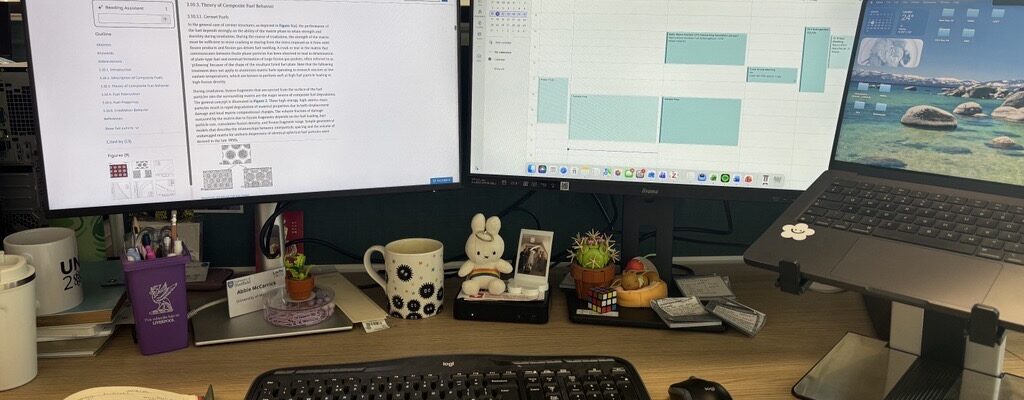
I am not a morning person, so I usually aim to arrive at around 10am, often with a coffee already in hand. I live in Didsbury at the moment, so I hop on the bus and often read on the way in. I just miss the rush hour, so the journey is quite chill!
10 – 11am: First things first, admin
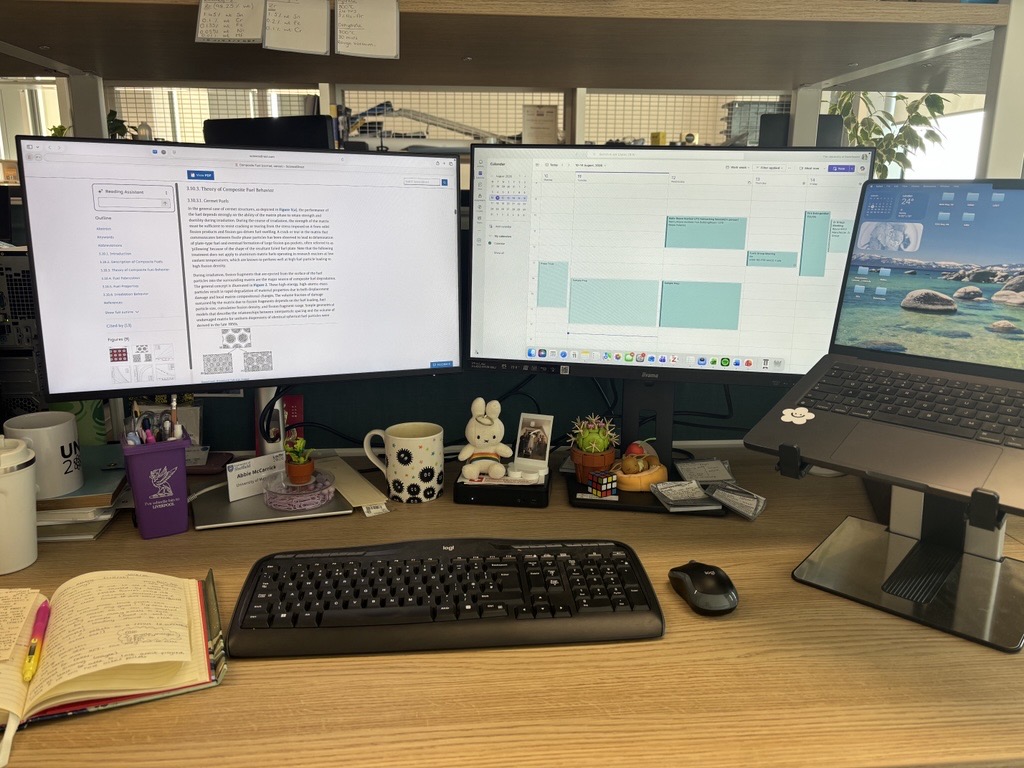
Once I get into the office, I start with some small admin tasks. I almost always have some form of risk assessment, emails, slides or marking to crack on with, so I spend some time working on these before jumping into any lab work.
11am – 1pm: Working in the lab
My PhD is experimental, so I do spend a lot of my time in the lab conducting experiments and collecting data. I’ll usually do an hour or two before lunch, and then come back in the afternoon to conduct the bulk of the work. This gives me a specific chunk to prepare anything I need and plan my work.
I think planning my experiments instead of just jumping straight in really helps with my productivity overall (and gives me an extra excuse to buy nice stationary).
1 – 2pm: Lunch break
Lunchtime can vary a little, as we all eat together as a research group. When it’s sunny, we grab ourselves a picnic blanket and eat outside, which is something I always look forward to in the summer!
2 – 5pm: Back to the lab
After lunch, I do the bulk of my lab work. Any big experiments, I’ll do in the afternoon and prep in the morning. A lot of our lab work is conducted in large gloveboxes and can be quite time consuming (and hot!). I regularly use equipment such as furnaces, electron microscopes, x-ray diffractometers and other materials preparation kit.
I have various strands of experiments and trials ongoing at the moment: mixing trials, sintering trials and microstructural analyses, so I’m never short of work to do!
5 – 9pm: Evening routine
Once I have “clocked off” for the day, I’ll commute back to Didsbury and start to unwind from work. I do a lot of reading, mainly fiction or fantasy, so I often dedicate some time to this of an evening with a cup of tea and a sweet treat before dinner. I try to switch off completely from work, and will try to switch notifications, or leave my laptop completely untouched.
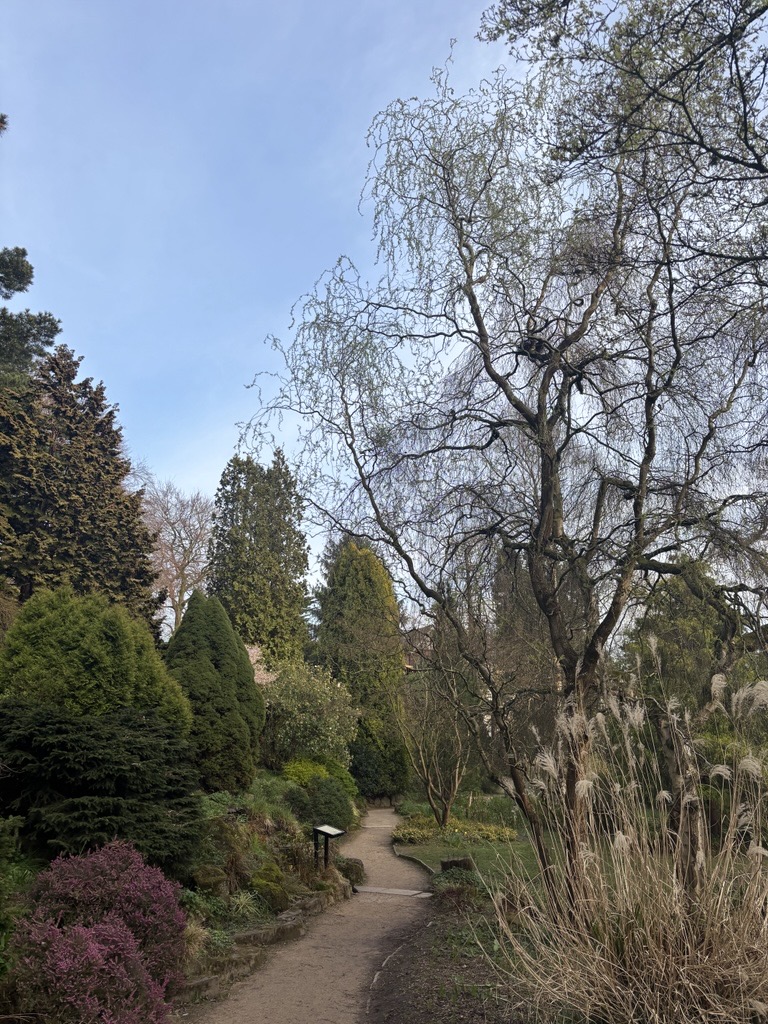
I try to do some exercise in evenings, and will have an evening walk around The Fletcher Moss park, or failing that, I’ll do a short gym session. After that though, it’s pretty much time to wind down properly! I’ll do some skincare before bed, and try to go to sleep around 11pm, hoping I get my full 8 hours.
Finding balance during your PhD: personalisation over productivity perfection
The biggest piece of advice I would give here is that make it work for you. A PhD is a marathon not a sprint, and if you find starting slightly later with a coffee is more productive for you, then do that.
Similarly, if you’re an early bird and are most productive in the morning, then do that! It is your PhD and nobody else’s, and I do think personalising it as much as you can makes it so much easier.
Our ‘A day in the life’ series takes a first-person, informal look at what a typical day actually looks like for a PhD student. It’s not just about the research, but how you fit your work, writing, teaching, hobbies, exercise, social life, and everything else around it.
Leave a Reply